Why we built this.
You find the perfect beach town. The sunsets are unreal. The people are warm. The cost of living makes sense. You could actually see yourself living here for a month, maybe two.
Then you try to find a place to work from.
The wifi drops every hour. The desk is a wobbly shelf in a dark corner. By noon, the apartment is 35 degrees and your laptop is overheating alongside you. The "ergonomic chair" is a plastic stool. You spend three days trying to make it work, then you give up and move on.
That was our experience. Markus came to Mazunte from Germany, looking for a base to work remotely from the coast. Adriana grew up in Oaxaca and knew the region inside out. We both loved Mazunte for everything it offered, and we were both frustrated that there was nowhere in town designed for someone who actually needed to get work done.
So we built one. We hired Felix, an architect who understood the climate, and we spent months getting the details right: the desk depth, the wall insulation, the airflow paths, the socket placement, the chair height. We sourced parota and macuil wood from the region, commissioned ceramics from local artisans, and tested the Starlink connection until we were confident it could handle a full workday.
Casa Maradi opened its doors in late 2025. Every guest so far has given us 5 stars. Several have cancelled their next reservation just to extend their stay. That is the best proof we have that the idea works.
We built the place we wished existed. Now it does.
Markus & Adriana
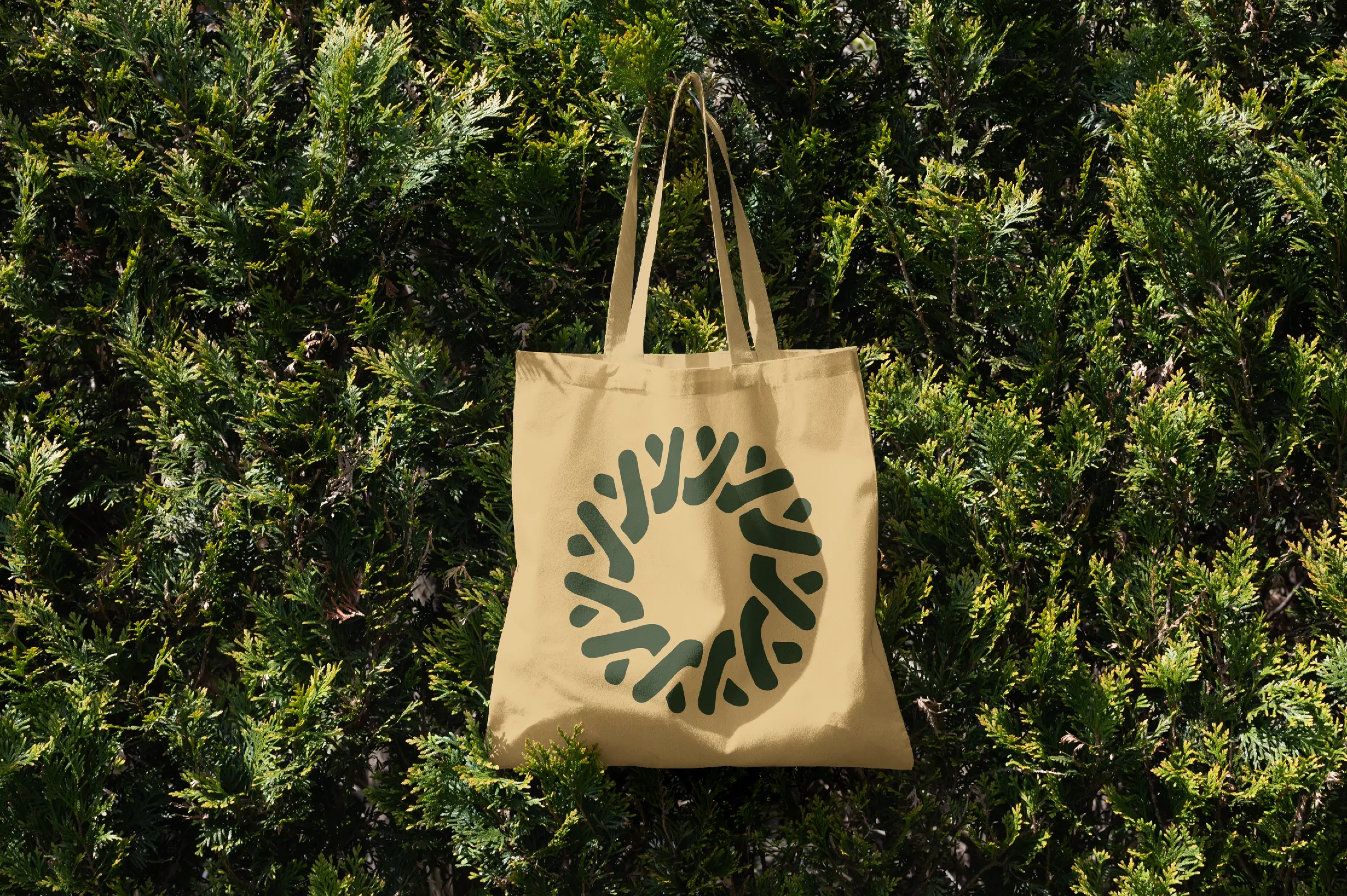
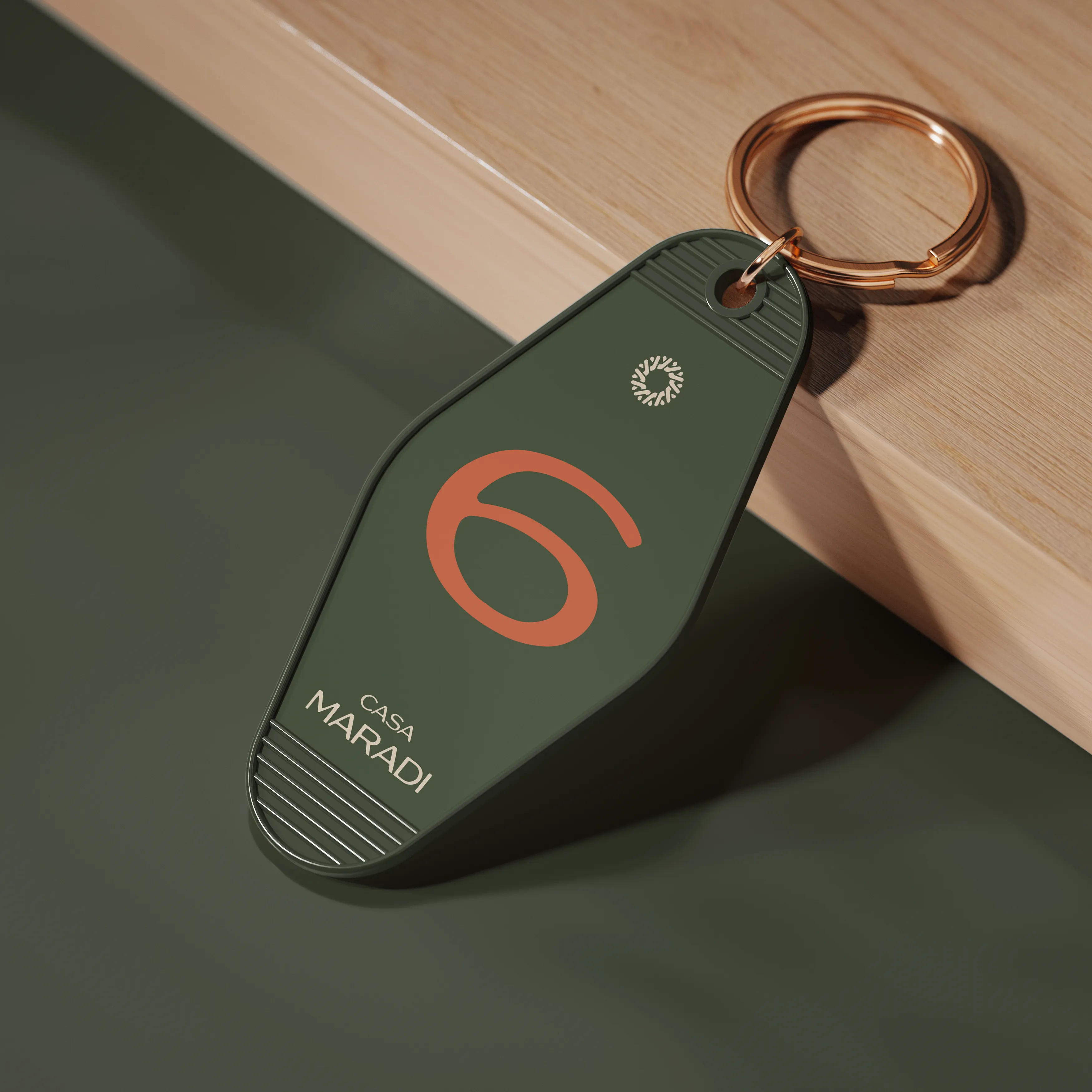
The Maradi identity, from screen to hand.
Built with Oaxaca
Wood
The furniture is carved from parota and macuil, two native Oaxacan hardwoods. Parota is known for its wide, flowing grain; no two pieces look alike. Macuil is dense, warm-toned, and resistant to the coastal humidity.
Ceramics
The ceramics come from local artisans who shape clay by hand and fire it in wood-burning kilns. The lamps cast a warm, filtered glow through the clay. The plates and cups are Oaxacan black clay and natural clay, made the same way they have been for centuries.
Textiles
The textiles are hand-woven cotton on backstrap and pedal looms by Zapotec and Mixtec artisans. You can feel the irregularities that mark them as handmade. They are not factory products; each one carries hours of skilled labor.
None of this is decorative. It is the house.
Designed with the climate, not against it
Double-brick walls
An air cavity between two layers of brick acts as natural insulation. Hot air from outside never reaches the interior surface. The walls stay cool to the touch, even in peak heat.
Orientation and ventilation
The building is oriented to catch the dominant western breeze. High ceilings and open floor plans let air circulate naturally. Chimney vents in the roof pull warm air upward and out.
Shade engineering
Deep overhangs prevent direct sunlight from ever hitting interior walls or floors. The space is bright but never hot.
BIOTAR water treatment
All wastewater is processed on-site through a biological treatment system that uses beneficial bacteria, no electricity and no chemicals. Casa Maradi leaves a smaller footprint than a conventional building.
Stay at Casa Maradi
Choose your apartment, pick your dates, and we will take care of the rest.
Check availability